Parabens are man-made chemicals often used in small amounts as preservatives in cosmetics, pharmaceuticals, foods, and beverages.
CDC
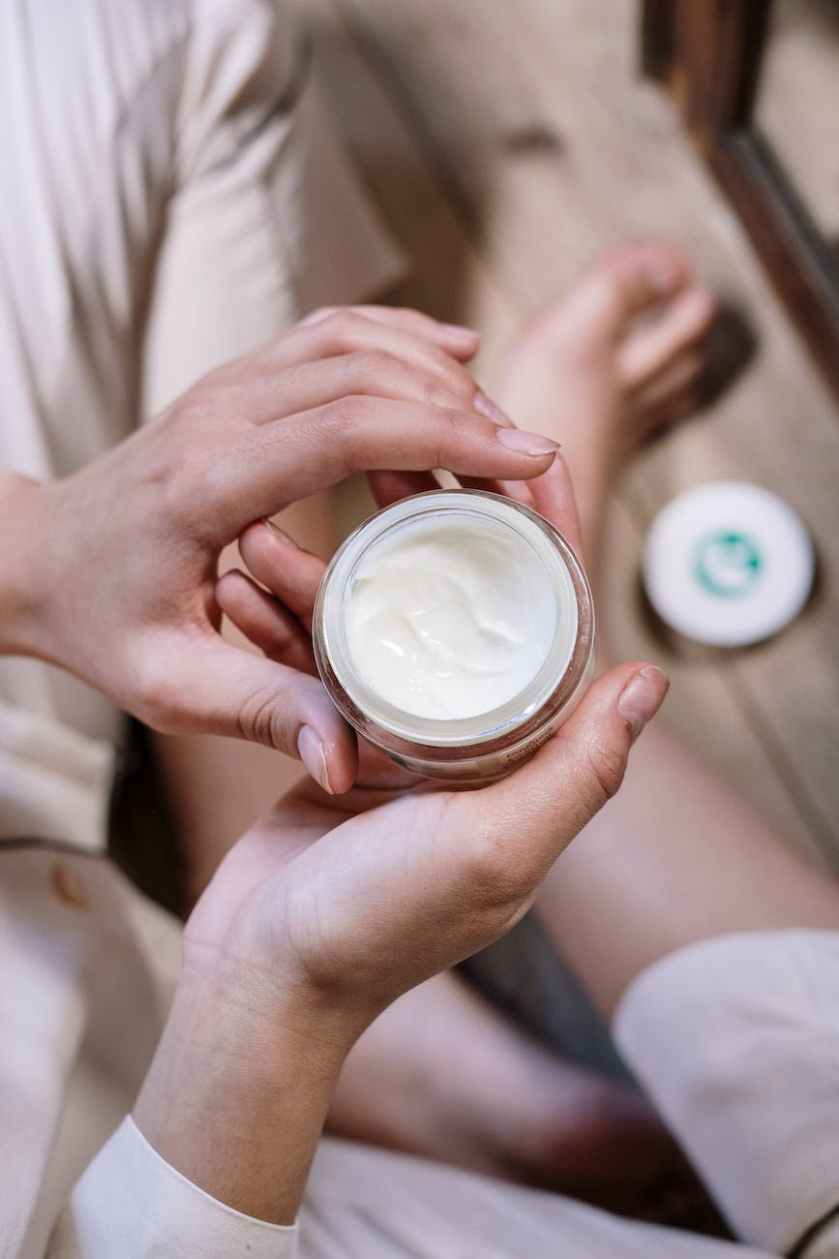
Surprisingly, paraben is present in almost every cosmetic and cleaning household agent we use daily. It comes in different forms, and I’ve learned to check product labels before buying one, so I avoid any of these terms – methylparaben, ethylparaben, propylparaben, and butylparaben. Any term that has one evil root word – paraben.
Yes, it is quite shocking. I even found paraben in dishwashing liquids, deodorant, shampoo, and cereals!
So why avoid Paraben?
According to WebMD – the biggest concern with parabens is that some studies show that they disrupt hormones in your body. Once in your body, parabens can act like the hormone estrogen in both males and females.
This could have an effect on things like:
Fertility (sperm count and length of menstrual cycle)
Reproductive development (fetal nourishment)
Birth outcomes, such as preterm birth
The use of parabens became quite controversial after being found in the cells of breast cancer patients. This needs further testing, but European Union banned isopropylparaben and isobutylparaben from use in any personal care products in 2015. The Association of Southeast Asian Nations has also banned these parabens.
More studies found that paraben can cause changes in cholesterol, blood sugar, thyroid, and immune function. The risk of allergies, obesity, and infertility has also been associated with the use of parabens.
Animal and cell research shows parabens can act like estrogen which may cause health problems. Unfortunately, there’s still a lot we don’t know about this chemical.
And so ending this post with a simple advice – lessen our exposure to paraben and as much as possible read product label before buying, and be smart for your health.
BPA stands for bisphenol-A, an industrial chemical that has been used to make plastics and resins (Mayo Clinic).
It’s back to school season and you’re likely to buy lunch boxes and tumblers. You’ve probably noticed plastics with label – BPAfree and may be wondering what that means and why it’s important.
It has been used since the 1950s to make strong and resilient plastics, food container and even hygiene products.
How do we get exposed to BPA?
BPA can leach into food or drinks from containers, tableware, bottles and even baby bottles.
Many people are getting worried about BPA exposure. Researchers have found that BPA exposure is linked to a number of health issues, particularly hormonal imbalances. This is due to the ability of BPA to mimic the structure and function of hormone estrogen.
BPA has also been linked to endometriosis and polycystic ovarian syndrome (PCOS) in studies published in PubMed.
It can also cause stress to your body by damaging the mitochondria (the energy producing factories of cells). Stress can lead to chronuc inflammation and is linked to increased risk of obesity, heart disease, and type 2 diabetes.
What can I do to prevent exposure to BPA?
Don’t microwave plastic food containers. Since heating BPA-containing plastics may cause more BPA leaching into food or liquids.
Plastic containers have recycle codes on the bottom. Some, but not all, plastics that are marked with recycle codes 3 or 7 may be made with BPA.
If possible, choose glass, porcelain or stainless steel containers, particulary for hot food or liquids.
Use bottles that are BPA free.
With all these studies and evidence, it is best to take steps to limit your exposure. As for me who is chronically ill, I’ve already started avoiding usage of plastics as food containers. There are instances however, that take aways are stored in plastic but I immediately transfer the food to glass or porcelain foodwares upon arriving home.
It is a complex disease that affects many women globally from the onset of their first period (menarche) through menopause, regardless of ethnic origin or social status. From a recent post of the WorldHealthOrganization dated March 2023 – there’s approximately 10% (190 million) of reproductive-age women affected worldwide.
MayoClinic explains how the disease develops. The endometrial-like tissue acts as endometrial tissue would — it thickens, breaks down and bleeds with each menstrual cycle. But because this tissue has no way to exit your body, it becomes trapped. When endometriosis involves the ovaries, cysts called endometriomas may form. Surrounding tissue can become irritated, eventually developing scar tissue and adhesions — bands of fibrous tissue that can cause pelvic tissues and organs to stick to each other. That’s how adhesion is formed.
As you may know, this is really close to my heart. I’ve been suffering from endometriosis and adenomyosis for years now. Unfortunately, last tests confirmed more adhesions and advancement to stage 4.
Like many endowarriors, I’m hopeful still… Eyeing on procedures like laparoscopy which is less invasive and can remove and break up adhesions. This is my second laparoscopic procedure though and my next plan after getting hormonal treatments. For fellow sufferers, talk to your doctor for alternative options regarding our invisibleillness. Surgery should be the last as this can also cause more adhesions according to recent studies. ❤
Many things are weighing me down lately. I used to imagine myself in the shoes of this lucky woman who got healed after 12 years of hemorrhage just by touching the robe of Jesus. Longing for the same miracle that I, too, can be healed…
In my 12th year, a journey that has been long and painful. God has tested me so much, sometimes i just feel that He has forgotten about me. This post may not be relatable to most people, and you may meet endowarriors who seem fine on the outside but hurting inside. This chronic illness is Endometriosis and coined as – ‘invisible illness.’
Easy to brush off small discomforts and go on with our daily lives, pretending you are healthy. Much easier than a lengthy explanation about your disease that no one wants to listen.
Perhaps, this is the end of the road for my uterus and all the organs stucked together as complications of endometriosis. That glimmer of hope starts to faint and flicker. I’m still waiting for a sign, in denial of the inevitable decision that soon they have to be discarded.
Ending this post with a bible verse;
Do not be afraid, just stand firm and watch the Lord rescue you today. The Lord will fight for you, you need only to be still…
Disclaimer: The information on this post is not intended to diagnose, treat or evaluate a condition. It is for informative purpose only, for individuals seeking general information.
Adenomyosis is a condition in which the lining of the uterus grows into the walls of the uterus
– Yale Medicine
Adenomyosis (pronounced add-en-o-my-OH-sis) is a gynecological condition that causes the tissue that normally lines the uterus (endometrial tissue) grows into the muscular wall of the uterus. It enlarges the uterus, and may lead to painful and very heavy menstrual bleeding.
Treatments for adenomyosis include hormonal contraceptives (pills), pain medication and surgery. Some women with mild symptoms choose to manage adenomyosis nonsurgically until they enter menopause. Women with severe symptoms need a hysterectomy (removal of the uterus).
You may consider her an expert living a decade with endometriosis. Bereft of many oppportunities unlike most healthy “young” and active women. Confined to restrictions, living in a seemingly endless pandemic. Taking pleasures from the simplest sips of coffee to a pain-free day.
Disclaimer: The information on this post is not intended to diagnose, treat or evaluate a condition. It is for informative purpose only, for individuals seeking general information.
Estrogen plays a huge role in endometriosis. If you have endometriosis, high levels of this hormone may promote and increase inflammation, trigger pain and stomach issues.
Endometriosis is one of the few estrogen-dominant conditions that affects 1 out of 10 women worldwide. Others include;
Sadly, there’s no cure to endometriosis and there’s limited treatment available. Usually in the extremes such as operation or removal of ovaries or uterus. On the onset of corona virus pandemic, I was introduced to gonadotropin releasing hormone (GnRH) agonist treatment. This is to induce temporary menopause and targets the decrease in the size of implants or adhesions.
It was quite effective, ovarian cysts became smaller and both ovaries now visible in the recent ultrasound with the loosening of adhesions. A bittersweet management for endo as one of the major side effects of GnRH treatment is an increase in anxiety and depression. This may be due to the dramatic drop in estrogen levels caused by these meds or from the imbalance itself.
And so this is expected, we can turn out to be a beautiful mess of writhing emotions – quoting the book I’m currently reading. Dealing with physical, mental and emotional, as if everything now is a struggle…
To all endowarriors dealing with depression, i feel you…
It is a must for endowarriors to take time and read every label both in food and skincare. And I think it’s also pertinent for healthy individuals to read labels as there are many chemicals that can cause diseases like cancer and cell damage.
Unfortunately, majority of sunscreens on the market today are more harmful than beneficial according to Huffpost. Sunscreens are designed to decrease your risk of skin cancer and allow you to enjoy the sun without worry. Modern day sunscreens have ingredients that may increase your risk of cancer and disrupt the functioning of your hormones.
The chemical oxybenzone permeates the skin, enters the bloodstream and imitates estrogen in the body. It can activate allergic reactions along with another harmful ingredient – retinyl palmitate.
Chemical suncreens that are potentially harmful to our health (in order of toxicity from highest to lowest);
benzene
oxybenzone
octinoxate
homosalate
octisalate
octocrylene
avobenzone
News of famous brands recalling their sunscreen were in several sites recently. The Centers for Disease Control and Prevention routinely detects oxybenzone in more than 96 percent of the American population. Study participants who reported using sunscreen have higher oxybenzone exposures (Zamoiski 2015).
Experst suggest to avoid sunscreens with chemicals mentioned above and prefer mineral sunscreens as it is said to be safer. Mineral or Physical sunscreens like titanium dioxide and iron oxide are the ingredients to look for in a good sunscreen.
Sharing the sunscreen products I have been using lately, still it’s to your discretion to be mindful of these carcinogenic warnings. Please know that this post is not a paid ad. These products use physical or mineral sunscreen thus avoiding exposure to carcinogenic chemicals like benzene.
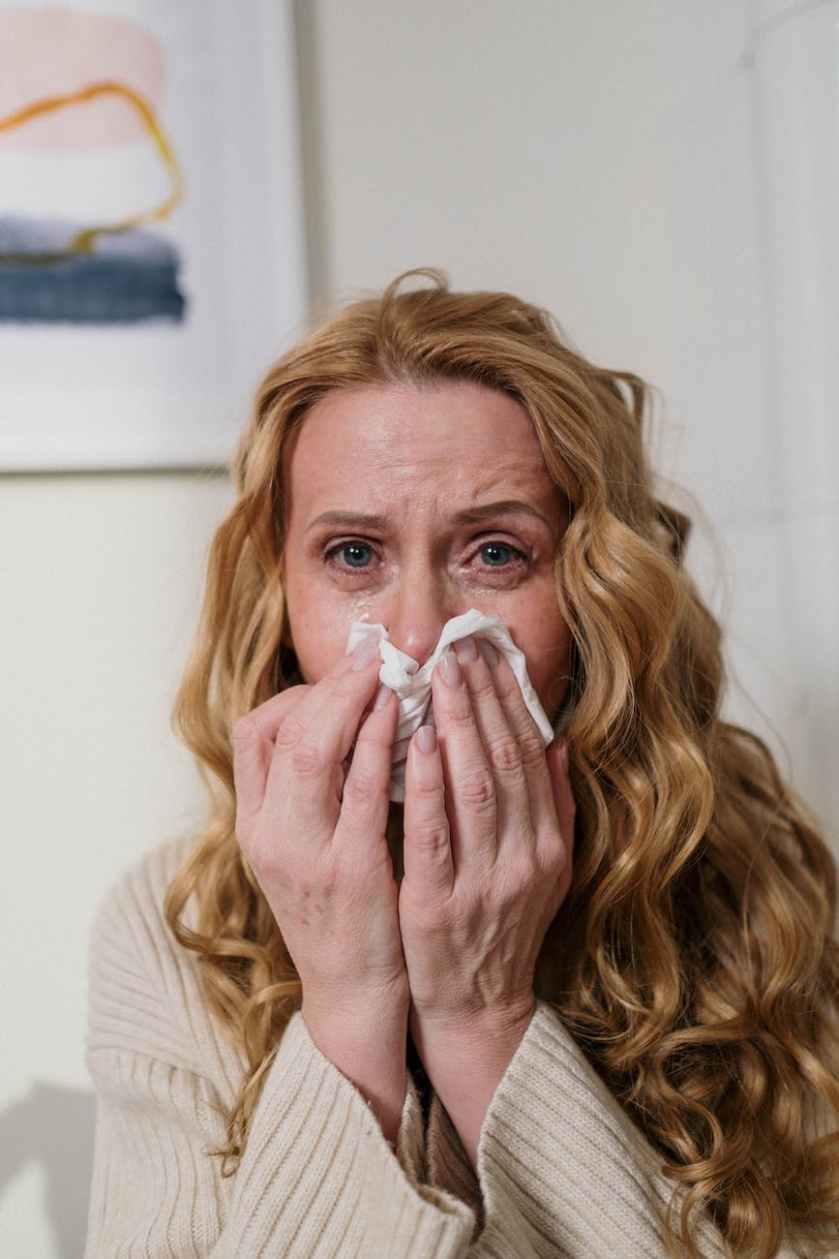
Currently writing this while having an attack, and yes you may conclude that I’m immune to this overly sensitive nose of mine.
Not to sound pathetic, but I have been suffering from allergic rhinitis since time immemorial & somehow I got used to it. From dust to mold, even a mere lack of sleep can make me sick. Then came endometriosis, adenomyosis and so forth. I had a couple of doses of GnRH from 2020 and since then I’ve noticed changes in my overall health. My allergies became more severe and it’s so frustrating. Stomach becomes painful (aside from my poor nose) from endless sneezing. Consuming a box of kleenex in one sitting.
So I had to find ways, studied health courses online, continuously hunting for definite cure or miracle for these health issues. The following are remedies, tips and facts that may help your condition.
Allergic rhinitis, often called hay fever, is a common condition that causes symptoms such as sneezing, stuffy nose, runny nose, watery eyes and itching of the nose, eyes or the roof of the mouth.
Allergic rhinitis is an allergic reaction to tiny particles in the air called allergens. When you breathe in allergens through your nose or mouth, your body reacts by releasing a natural chemical called histamine.
Several indoor and outdoor allergens cause hay fever. Common causes include dust mites, mold, pet dander and pollen from trees and plants.
You can have allergic rhinitis any season or all year round (ditto!).
It is inherited.
Natural ways to treat allergies – Dr. Berg
It’s difficult (impossible) to completely avoid potential allergens, but you can take steps to reduce exposure to a particular allergen you know or suspect is triggering your allergic rhinitis. This will help improve your symptoms. And if you can’t take it anymore, there are antihistamine medications that will help – just ask your doctor for prescription. My go-to medications are cetirizine, levocetirizine (antihistamines).
It’s been a while since I posted something about endometriosis. I was diagnosed about a decade a go and yes that long!!! but I’ve been suffering with dysmenorrhea since the start of my menstrual age.
Time to time, I get tired sharing my experiences in social media that only a few friends can relate. Sufferers like me can get frustrated and hopeless in finding a definite cure. I’m friends with fellow “endowarrior” and I admire them for passionately posting their journeys in social media.
As it is reported that 1 out of 10 women is affected, more than 11% of women between ages 15-44, and common in women in their 30s to 40s which makes it hard for them to conceive.
– womenshealth.gov
“This is why one of the biggest symptoms of endometriosis is – chronic inflammation.” – Dr. Berg
Endometriosis is a long-term condition and considered to be a chronic illness. One of the most painful and debilitating diseases. Our battle cry – “It is not just a period pain!”
I tried a myriad of herbal supplements and I’ve had various medical procedures, many of which I vaguely remember. Then I came across Doctor Eric Berg and his videos are practical. Sharing his video/s about endometriosis and would probably post more about women’s health again soon…
Migraine is debilitating and most of the time frustrating. But here are some ways to lessen migraine occurrence and improve the quality of life among migraine sufferers. I know someone close to me who has been suffering from migraine since childhood and the first 5 really helped him.
What to do?
Although researchers haven’t been able to pinpoint exactly why migraines attack, they do understand the physiological changes that occur when a migraine strikes. When the nerve cells in the brain become overstimulated, they release chemicals that cause inflammation and swelling in the blood vessels in the neck and brain. The interventions listed below work by addressing these issues. Here are seven surprising natural cures for migraines that help prevent and reduce the frequency and severity of migraine attacks.
1. Exercise
Exercise has long been recommended to migraine sufferers, and now there’s new evidence to support the theory that physical activity appears to help prevent migraines. In a 2011 randomized, controlled study from the University of Gothenburg in Sweden, researchers found that aerobic exercise was as effective at preventing migraines as the preventive migraine medication topiramate (brand name Topamax). A third of the patients in the three-month study exercised on a stationary bike three times per week for 40 minutes, while another third took a topiramate regimen that was gradually increased to the highest tolerable dose (a maximum of 200 milligrams per day).
The exercisers and drug group both experienced a similar reduced number of migraines, but 33 percent of topiramate users also experienced adverse side effects, while the exercisers reported none. The researchers concluded that regular exercise may be an option for migraine sufferers who don’t want to adhere to a daily medication regimen, and the medical community agrees that the findings are encouraging.
How it helps: Regular, gentle exercise helps to reduce tension and ward off stress, a well-known trigger for many migraine sufferers. Exercise also triggers the release of endorphins, which act as a mild sedative.
How much helps: The Department of Health and Human Services recommends 150 minutes of moderate aerobic activity or 75 minutes of vigorous aerobic activity per week, ideally spread out over the course of the week. Beware that intense exercise can actually trigger rather than prevent migraine, so don’t overdo it.
2. Riboflavin (vitamin B2)
Riboflavin, also known as vitamin B2, is found in certain foods and supplements. It helps protect cells from oxidative damage and is involved in energy production. In a trial measuring the effectiveness of riboflavin in preventing migraines, 59 percent of patients who took 400 mg of riboflavin daily for three months experienced a 50 percent or greater reduction in migraine occurrence.
How it helps: Riboflavin is an effective preventive treatment for migraines. It has been widely reported to significantly reduce the incidence of migraine headaches when consumed at high levels (400 mg per day), although it doesn’t seem to help reduce the pain or length of a migraine once one occurs.
How much helps: The recommendation is 400 mg per day for three months. Researchers recommend taking riboflavin with a B-complex supplement, since riboflavin increases the absorption of other essential nutrients, including iron, zinc, folate, vitamin B3, and vitamin B12. In addition, vitamin B1 can help increase levels of riboflavin.
3. Magnesium
Because our bodies can’t make magnesium, we must rely on dietary and/or supplement sources to get it — and magnesium deficiency been directly linked to migraines in a number of major studies. Some estimates say that as many as three out of four adults in the U.S. may be deficient in magnesium.
How it helps: Magnesium helps relax nerves and muscles and transmits nerve impulses throughout the body and brain. In addition, magnesium helps prevent nerves from becoming overexcited. In short, this mineral aids in the prevention and reduction of migraines.
How much helps: Experts are split on how much magnesium to take for migraine prevention; some recommend 200 to 600 mg per day, while others recommend as much as 1,000 mg daily. Talk to your doctor to find a regimen that works best for you. If you take magnesium supplements, use chelated forms (such as magnesium citrate or magnesium oxide). This means that the magnesium is connected with another molecule in order to aid its absorption.
4. fish oil/Omega 3
There are some small-scale studies that show the ingestion of fish oil can help reduce migraines and head pain, thanks to its omega-3 fatty acids, which promotes heart health. The American Heart Association states that the ingredients in fish oil may help reduce inflammation, blood clotting, lower blood pressure, and steady heart rhythm. Those actions in turn may help reduce head pain because it may reduce the inflammation of blood cells that press and pinch on nerves.
5. Avoid MSG
Monosodium glutamate (MSG) is added to food to enhance its flavor. It is derived from an amino acid, called glutamic acid, which occurs naturally in various foods. Many people who suffer headaches find that foods containing MSG triggers migraines or other types of headaches, possibly due to the fact that it excites our neurons. Make sure you read food labels to check if the product has MSG, the FDA is requires companies to list it, however it can also be hidden as a component of other ingredients. Watch for some of these words, which can give away “hidden” MSG, and be extra cautious around Chinese food, processed meats, canned vegies, gravy/soup/dip mixes, and soy-based items.
6. Improve your posture
Improving your posture can make all the difference in the world when it comes to tension-type headaches. Many of us spend our days working in an office or sitting down at a computer with little to no movement, and many of us are guilty of poor posture. We slouch, slump, and hunch forward, which strains our muscles and creates nasty headaches. Try using an ergonomic chair if you’re sitting down a lot, and make a conscious effort to sit up tall but relaxed, with your shoulders back, your chest open, and your neck not sticking too far forward. Working on strengthening core muscles helps a lot with posture, since balance and the strength to support ourselves properly comes from mostly from our center.
7. Drink water
On average we don’t drink enough water daily, and that alone is cause for a headache. Coffee, alcohol, sugary drinks-all can dehydrate you (hence the pounding headache that comes along with a hangover) and should be avoided. As soon as your head starts to hurt, drink a tall glass of water, and then sip throughout the day. Gradually the pain will start to ease up, and you’ll be hurting less and well-hydrated to boot. Simply drinking water may seem too obvious or simple to actually work as a headache remedy but it can, and often time’s does. We humans often just seem to feel the need to make things more complicated than they are.
You use your head for a lot of things, maybe not all things, but hopefully for a lot of them, and a throbbing pain in your noggin can really make it hard to function. While over-the-counter pain killers may temporarily relieve the discomfort, they’re not going to prevent headaches from returning full force-or worse- in the future. Give some headache home remedies a shot, and you’ll end up saving yourself a headache (probably lots of headaches) in the future.
Best if you consult your doctor and have a total medical check up particularly MRI to find out if there’s an underlying cause behind your migraines.







 mypanoplies