Posted in motivational, psychology

Living with Depression & How to live a Good Life

Diagnosed with depression but managing to stay hopeful. This illness doesn’t have to hinder you from living a good life.

Been in a persistent cycle of depressive episodes, and it strikes anytime, any day, even in the middle of an important event. You feel helpless.

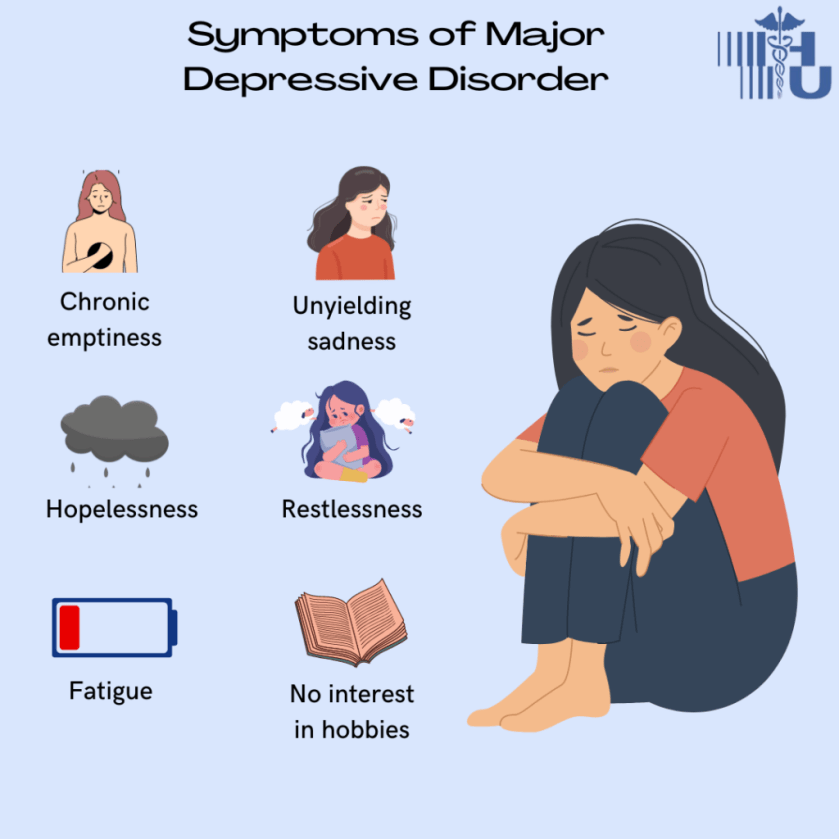
Depressive episode is a period of depression that persists for at least two weeks. The length of an episode varies depending on the severity and individual factors, some may last up to 6-8 months.

Depression: A Widespread Illness

Depression is a prevalent illness, perhaps more widespread than commonly perceived. Even famous celebrities who have tragically taken their own lives due to depression serve as a poignant reminder of the severity of this condition. It is an issue that undeniably presents a significant challenge in our society.

There are proven ways to live better with depression (adopted from Psychology Today).

  1. Start accepting and stop resisting. It is okay if you don’t feel okay. Denying your feelings will just make it worse. Carl Jung once said, “what you resist persists.”
  2. Change the way you think about depression. Renaming this familiar foe to a more positive approach. What helps me is to keep a journal, writing my thoughts and feelings before going to bed. That way, we can keep the feelings from our head to paper.
  3. Focus your energy to self-care. One major symptom I’m experiencing is complete loss of interest and pleasure. Bathing has now become a chore, but guess what? surprisingly it changes my mood for the better. Coming out of the bathroom refreshes me both physically and emotionally.
  4. Make small daily efforts. Depression is not something we can instantly turn off. Small baby steps can and may help. There is one technique – Behavioral Activation, a psychotherapy that engages individuals in engaging or pleasant and healthy activities.

Coping with depression begins with the effort to get through each day, regardless of whether a depressive episode occurs or not. There are many ways to improve your life with depression, like talking to a friend, watching a K-drama. Either way, learn, thrive and survive… you are not alone, hugs.

Disclaimer: The information in this post does not intend to replace, dictate, or completely define the evaluation, diagnosis, and treatment of a medical professional. It is a form of sharing some personal experience and is intended solely for those seeking general information on certain conditions.
Posted in motivational, psychology

Self-blame and Depression

According to PubMed Central, people with major depressive disorder (MDD) are more prone to experiencing moral emotions related to self-blame, such as guilt and shame.

DSM-IV-TR recognizes excessive or inappropriate guilt as one of the core symptoms of MDD. 

  • Disclaimer: The information in this post does not intend to replace, dictate, or completely define the evaluation, diagnosis, and treatment of a medical professional. It is a form of sharing some personal experience and is intended solely for those seeking general information on certain conditions.

Guilt is a less talked about symptom of depression. It was depicted in a Korean drama I watched – Daily Dose of Sunshine. They showed guilt in a beautiful way stemming from the protagonist’s role as a psychiatric nurse. Highly relatable as I constantly deal with sadness and self-blame almost every day.

According to Psychiatrist Gregory Brown and author of The Self-healing Mind, “Guilt is a major barrier for treatment of depressive disorders. People think – my problems aren’t big enough or so serious to warrant feeling depressed or I have money, a great family and so many other resources, I shouldn’t be feeling this way – They end up suffering in silence.”

Before depression, I used to believe that people should be content with what they have, and I couldn’t comprehend why anyone would feel depressed despite having all their needs met.

what does she have to depressed about?

Self-blaming moral emotions as per PubMed Central pertains to emotions like guilt, shame and self-contempt which may be exaggerated in mood disorders. Feelings of worthlessness or excessive and inappropriate guilt nearly everyday (American Psychiatric Association 2000).

If you’re struggling with depression, being in that same condition I know I’m unable to give advice. Despite studying psychology in the hope of finding relief, I still find myself in this state. But depression is an illness that no one wants.

Here are some tips to help you deal with guilt when you have depression;

~ Practice self kindness like positive self-talk and gratitude

~ Move and keep your mind occupied. Physical activity as simple as walking can increase your endorphins (happy hormones).

~ Keep a journal. Writing or in my case drawing is diverting my mind and thoughts to express and transform negative emotions through art.

~ Talk to someone. Remember you are not alone. A family or friend can provide you with a different perspective and talking to them can help you release and process those unwanted emotions.

Small baby steps is okay, take it easy and be kind with yourself…