

Ive’s Narcissus concept in “Love Dive” became an instant hit since its debut comeback. They even won multiple awards with this song (congrats Ive). Not only it is catchy but the dance choreo (my favorite) is addictive. There’s a particular move – “mirror princess” where members look into a “mirror”. A symbolic of Narcissistic adage.
What is Narcissistic?
– by Merriam-Webster definition, relating to or characterized by narcissism; extremely exaggerated sense of self-importance, marked by or characteristic of excessive admiration of or infatuation with oneself.
Narcissism comes from the story of Narcissus. In Greek mythology, Narcissus was a hunter known for his beauty. He fell in love with his own reflection in a pool of water, staring at it until he drowned. At that spot, a flower bloomed which is now called as the narcissus plant or the daffodil.

A tragic story like many mythologies I’ve read, has a lesson worth noting. Pride and self-obsession for Greeks are obstructions to piety and religion. Proving the cruel fate of Narcissus.

Narcissistic personality disorder NPD is a mental health condition in which people have an unreasonably high sense of their own importance. They need and seek too much attention and want people to admire them. People with this disorder may lack the ability to understand or care about the feelings of others. But behind this mask of extreme confidence, they are not sure of their self-worth and are easily upset by the slightest criticism.
Mayo Clinic
A narcissist can have many problems in different areas of life. They are disappointed when they’re not given the attention they believe they deserve. And symptoms are as follows;
- Have an unreasonably high sense of self-importance and require constant, excessive admiration.
- Feel that they deserve privileges and special treatment.
- Expect to be recognized as superior even without achievements.
- Make achievements and talents seem bigger than they are.
- Be preoccupied with fantasies about success, power, brilliance, beauty or the perfect mate.
- Believe they are superior to others and can only spend time with or be understood by equally special people.
- Be critical of and look down on people they feel are not important.
- Expect special favors and expect other people to do what they want without questioning them.
- Take advantage of others to get what they want.
- Have an inability or unwillingness to recognize the needs and feelings of others.
- Be envious of others and believe others envy them.
- Behave in an arrogant way, brag a lot and come across as conceited.
- Insist on having the best of everything.
The hallmarks of NPD are grandiosity, lack of empathy for other people, and the need for admiration. They are described as self-centered, manipulative and demanding. They also have trouble handling criticism. To them, criticisms are just personal attacks.
These people think there’s nothing wrong with them. They are resistant to changing their behavior even when it’s causing them problems. Their tendency is to pass the blame to others.
Narcissists believe they are better than everyone else and often exagerrate their own achievements and talents. They live in a fantasy world that supports their delusions of grandeur. They have a sense of entitlement and consider themselves as special.
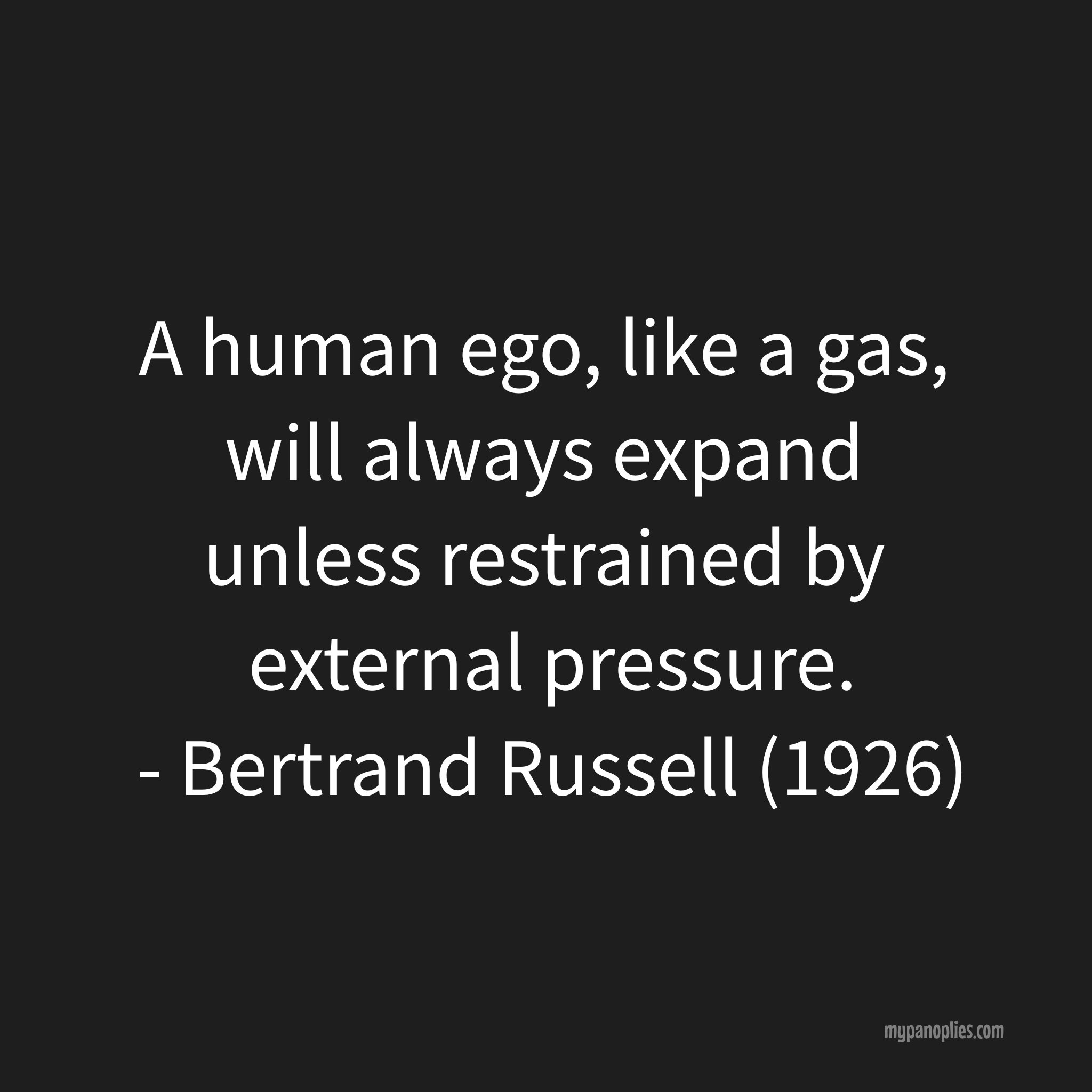
For their overly inflated ego that needs to be constantly fed so they surround themselves with people who are willing to cater to them. This kind of relationship is usually one-sided. Since they lack empathy, they often take advantage of others to get what they want.
There are more topics (and medical terms) related to NPD, however I’d like to emphasize the problem with them – they are not even aware of their own behavior. Thinking – what could be wrong really? Yes, it is sad especially when you know someone who is one! but stay calm – real and lasting relationships are based on mutual respect and love.
Since narcissists are not capable of reciprocating your love and affection, it’s all about them as the center of the universe. It is best to set healthy boundaries and don’t take things personally. It’s not about you, it’s them.
And lastly, don’t argue with a narcissist.
It’s pointless.
Ending with this reminder – spend time and make memories with people who are worth your precious time (and life).
❤



 mypanoplies