Posted in motivational, psychology

Living with Depression & How to live a Good Life

Diagnosed with depression but managing to stay hopeful. This illness doesn’t have to hinder you from living a good life.

Been in a persistent cycle of depressive episodes, and it strikes anytime, any day, even in the middle of an important event. You feel helpless.

Depressive episode is a period of depression that persists for at least two weeks. The length of an episode varies depending on the severity and individual factors, some may last up to 6-8 months.

Depression: A Widespread Illness

Depression is a prevalent illness, perhaps more widespread than commonly perceived. Even famous celebrities who have tragically taken their own lives due to depression serve as a poignant reminder of the severity of this condition. It is an issue that undeniably presents a significant challenge in our society.

There are proven ways to live better with depression (adopted from Psychology Today).

  1. Start accepting and stop resisting. It is okay if you don’t feel okay. Denying your feelings will just make it worse. Carl Jung once said, “what you resist persists.”
  2. Change the way you think about depression. Renaming this familiar foe to a more positive approach. What helps me is to keep a journal, writing my thoughts and feelings before going to bed. That way, we can keep the feelings from our head to paper.
  3. Focus your energy to self-care. One major symptom I’m experiencing is complete loss of interest and pleasure. Bathing has now become a chore, but guess what? surprisingly it changes my mood for the better. Coming out of the bathroom refreshes me both physically and emotionally.
  4. Make small daily efforts. Depression is not something we can instantly turn off. Small baby steps can and may help. There is one technique – Behavioral Activation, a psychotherapy that engages individuals in engaging or pleasant and healthy activities.

Coping with depression begins with the effort to get through each day, regardless of whether a depressive episode occurs or not. There are many ways to improve your life with depression, like talking to a friend, watching a K-drama. Either way, learn, thrive and survive… you are not alone, hugs.

Disclaimer: The information in this post does not intend to replace, dictate, or completely define the evaluation, diagnosis, and treatment of a medical professional. It is a form of sharing some personal experience and is intended solely for those seeking general information on certain conditions.

Posted in psychology

Anhedonia, Anxiety, Guilt & Cherophobia

The four major symptoms I noticed with my depression.

I knew from the first time I posted about depression that I was going to be vulnerable. Not everyone will be able to comprehend and sympathize. That’s what makes this disease even lonelier. You try to mimic being okay when you’re not cause you don’t want to bother the people around you.

Sharing my journey may be a way for some to feel less alone.

Anhedonia

  • is the inability to experience joy or pleasure. You feel numb and less interested in the things you used to enjoy, just like when I used to be obsessed with playing mobile games, and now I have lost interest.

Anxiety

In a previous post, I discussed anxiety with Pseudo-dementia. Celebrities like Emma Stone, Ryan Renolds, and Chris Evans have their share of anxiety issues.

  • Anxiety disorders are a group of mental illnesses that cause constant and overwhelming anxiety and fear. 

Guilt

  • According to PubMed Central, people with major depressive disorder (MDD) are more prone to experiencing moral emotions related to self-blame, such as guilt and shame.

It is a less talked about symptom of depression, but very evident in my case. I struggle with self-blame a lot! I cry and weep for the troubles I think I have caused and the people that I have hurt. Dealing with it almost every single day (see previous post).


Cherophobia

It seems that at this moment, I wouldn’t necessarily call it fear but rather a sense of concern. There is a worry that experiencing happiness may lead to negative consequences. You try to avoid the feelings of happiness and the consequences of being happy.

More about this in my previous post

Disclaimer: The information in this post does not intend to replace, dictate, or completely define the evaluation, diagnosis, and treatment of a medical professional. It is a form of sharing some personal experience and is intended solely for those seeking general information on certain conditions.
Posted in motivational, psychology

Self-blame and Depression

According to PubMed Central, people with major depressive disorder (MDD) are more prone to experiencing moral emotions related to self-blame, such as guilt and shame.

DSM-IV-TR recognizes excessive or inappropriate guilt as one of the core symptoms of MDD. 

  • Disclaimer: The information in this post does not intend to replace, dictate, or completely define the evaluation, diagnosis, and treatment of a medical professional. It is a form of sharing some personal experience and is intended solely for those seeking general information on certain conditions.

Guilt is a less talked about symptom of depression. It was depicted in a Korean drama I watched – Daily Dose of Sunshine. They showed guilt in a beautiful way stemming from the protagonist’s role as a psychiatric nurse. Highly relatable as I constantly deal with sadness and self-blame almost every day.

According to Psychiatrist Gregory Brown and author of The Self-healing Mind, “Guilt is a major barrier for treatment of depressive disorders. People think – my problems aren’t big enough or so serious to warrant feeling depressed or I have money, a great family and so many other resources, I shouldn’t be feeling this way – They end up suffering in silence.”

Before depression, I used to believe that people should be content with what they have, and I couldn’t comprehend why anyone would feel depressed despite having all their needs met.

what does she have to depressed about?

Self-blaming moral emotions as per PubMed Central pertains to emotions like guilt, shame and self-contempt which may be exaggerated in mood disorders. Feelings of worthlessness or excessive and inappropriate guilt nearly everyday (American Psychiatric Association 2000).

If you’re struggling with depression, being in that same condition I know I’m unable to give advice. Despite studying psychology in the hope of finding relief, I still find myself in this state. But depression is an illness that no one wants.

Here are some tips to help you deal with guilt when you have depression;

~ Practice self kindness like positive self-talk and gratitude

~ Move and keep your mind occupied. Physical activity as simple as walking can increase your endorphins (happy hormones).

~ Keep a journal. Writing or in my case drawing is diverting my mind and thoughts to express and transform negative emotions through art.

~ Talk to someone. Remember you are not alone. A family or friend can provide you with a different perspective and talking to them can help you release and process those unwanted emotions.

Small baby steps is okay, take it easy and be kind with yourself…

Posted in motivational, psychology

Cherophobia (Fear of Happiness)

~ Aversion to happiness

The term comes from the Greek word “chero”or “chairo” which means “to rejoice.” Plus, the root word “phobia,” which means fear.

Disclaimer: The information in this post does not intend to replace, dictate, or completely define the evaluation, diagnosis, and treatment of a medical professional. It is a form of sharing some personal experience and is intended solely for those seeking general information on certain conditions.

When a person has cherophobia, they’re often afraid to participate in activities that are considered fun or would make them happy.

Although cherophobia is not currently recognized as a clinical disorder in the Diagnostic and Statistical Manual of Mental Disorders (DSM-5), several studies have started to scientifically validate its existence (Joshanloo, 2014).

It seems that at this moment, I wouldn’t necessarily call it fear but rather a sense of concern. There is a worry that experiencing happiness may lead to negative consequences. You try to avoid the feelings of happiness and the consequences of being happy.

Symptoms may appear such as;

  • avoidance of social gatherings
  • experiencing anxiety at the thought of going to a joyful social gathering, like a party, concert, or other similar event
  • believing that being happy will lead to something bad happening
  • rejecting opportunities that may bring happiness or success
  • believing that happiness makes you a bad person
  • believing that disasters follow happiness

In the study developed by Gilbert and colleagues (2012) – “Fear of Happiness Scale”, some people find it difficult to trust positive feelings. Rating feelings such as being frightened to become too happy, undeserving to be happy, and so on.

Cherophobia is not recognized as a clinical disorder and may stem from past trauma or underlying conditions. Let’s seek treatment with a doctor that can help.

Remember, it’s okay if you feel this way.

Posted in life, motivational, psychology

Pseudo Dementia and Anxiety

Day 2 of 2024, upon reflecting on the past year, I have observed certain symptoms that accompany my experience with depression. Watching K-dramas, especially the latest one titled “Daily Dose of Sunshine” enlightened me on how many symptoms co-exist with depression.


Pseudo Dementia

Mood-related conditions such as depression can lead to Pseudo Dementia. This condition exhibits symptoms similar to dementia but does not involve neurological degeneration. Due to its association with depression, it is occasionally referred to as depressive pseudo-dementia. For more information on this topic, you can visit this link.

The symptoms may include:

  • problems with speech and language
  • lapses or losses of memory
  • difficulty paying attention
  • difficulty regulating emotions
  • difficulty organizing or planning

It may be noticeable online (or on social media) due to fewer posts I made since being diagnosed with depression. The struggle is more on my lack of energy and a generalized feeling of fatigue and low mood.

The following symptoms may also manifest since it is related to depression:

  • a loss of interest in activities
  • a depressed mood that lasts for weeks at a time
  • social withdrawal
  • suicidal thoughts or behaviors
  • insomnia or hypersomnia
  • general fatigue
  • a loss of appetite or overeating

Anxiety

During the holiday season, despite being surrounded by family and friends, I found myself grappling with worries and anxious thoughts. The stress of the festive season and the ensuing challenges triggered my anxiety disorder.

I didn’t know I had this phobia called trypophobia, and if you have one please don’t even try searching it online or they will show you holes. It is a general feeling of uneasiness, fear, and cringe at holes or patterns (ex., honeycomb).

Dealing with anxiety entails experiencing uncontrollable fear or worry. Depending on the type of anxiety, these feelings can arise during routine activities such as socializing with new acquaintances or tackling challenges at school or work.

Both anxiety and depression are very common and frequently co-occur.

All these conditions, if you have them, are not a result of weakness but are medical conditions. And even though we may still face criticism from those who don’t completely understand, I urge you to seek help and reach out to friends and family.

Posted in kdrama, life

New Favorite – Daily Dose of Sunshine (Kdrama)

This new series has become my instant favorite, depicting mental health with beautiful narration and emotions. Park Bo-young, as Jung Da-eun, is a passionate and emphatic nurse who just transferred to the psychiatric unit. An epic adaption of the webtoon “Jeongsinbyeongdongedo Achimi Wayo” (정신병동에도 아침이 와요) by Iraha (이라하).


This drama addresses the pressing issue of mental health, which not only is a great concern for South Korea but all over the world. In every episode, they feature a specific illness.

First episode (sorry, this may be a spoiler) talks about Bipolar Disorder. Patient Ri-Na is diagnosed with Bipolar Disorder manifesting symptoms including a sudden overflow of energy, a personality switch, unusual sexual behaviors, obsession, etc.

Coming from the perspective of the patient, we see mental illness in a new form. Opening doors for real-life struggles, problems, and challenges. Issues we try to avoid because of their heaviness and pain.

I look forward to the episode with depression, anticipating the portrayal of symptoms that may be relatable to what I have or may have experienced.

This series is really worth your precious time, we can all learn something from it, to help us understand the people affected with mental illness.

Posted in life, psychology

Gen Z is More Stressed

Generation Z or Gen Z refers to the generation that is born between the years 1997 and 2012. The first generation to be raised entirely with the internet and smartphones.

Growing up in tumultuous times that include multiple stressors such as climate change, conflicts, and political unrest. There’s a lot going on and all at once, TMI for sure! They are not just dealing with everyday stress, they are in constant bombardment of information and pressure.

In fact, many recent surveys and studies showed that these young adults are the most stressed, pressured and exhausted group.

They have a ton of reasons to feel more stressed than previous generations. Stress that can contribute to psychological concerns like anxiety and depression.

Here are the examples of stressors for Gen Z’s;

  • In one survey, it was reported that almost half of Gen Z are on their phones or online for 10 or more hours a day. That means more screen time and less time connecting with others in person, this could increase feelings of isolation and loneliness. There’s also less time going outdoors and being with nature.
  • In the American Psychological Association report, 91% of Gen Zs are experiencing physical or psychological symptoms due to stress. Causes of stress are money/work, debt, school and hunger.
  • Issues like climate change, political conflicts and fear of the future in general.
  • Exposure to harmful content through social media at a young age.
  • Research from University College London found that Gen Z was more likely to self-harm, have poorer body image, lack sleep, be overweight and have depression.
  • They also face pressure related to social media and the need to perform and conform for a picture-perfect image (and life).

Coming from a parent of a Gen Z, it’s not all negative for our children. Actually, because of social media, they’ve increased awareness of the importance of mental health. They are interconnected globally through the internet. They are more likely to seek psychological help and speak up about their concerns.

We should be the first advocates of their physical and mental health. Understanding, patience, and open communication among families – these are some of the keys in addressing and helping our Gen Z children.

Posted in motivational

What it really feels like to be Depressed

A sunny Saturday morning, I’ve been feeling worthless… I cannot really put into words how I feel – crappy? It’s like something hurts inside, not physically, something you cannot grasp.

I read I Want to Die but I Want to Eat Tteobbokki last year, written in such detail about the author’s conversations/therapy with her psychiatrist. Some parts are still clear in my mind and resonate with my feelings, the writhing emotions which threatened to tear me apart…


“I wonder about others like me, who seem totally fine on the outside but are rotting on the inside, where the rot is this vague state of being not-fine and not-devastated at the same time.”

– Baek Se-Hee, I Want to Die but I Want to Eat Tteobbokki

There are times when I just want to sit alone, doing nothing, staring blankly at something. The things I used to enjoy doing, they don’t excite me anymore… Now, I’m really depressed. Nothing interests me at all… Everything appears like a chore I must do in order to get through the day.

Anhedonia, that’s what I’ve learned in my short course in Psychology. No medical terms matter to me today.

As a Christian, I cited examples in the bible. And yes even prophet Elijah battled depression.


Elijah himself traveled a day’s journey into the wilderness, and he came and sat down under a juniper tree and asked [God] that he might die. He said, “It is enough; now, O Lord, take my life, for I am no better than my fathers.”

– 1 Kings 19:4-7


It feels reassuring I guess, that many great people fell into depression… Elijah’s suffering was an accumulation of fatigue and exhaustion. It’s a slap to my self-doubt, that I’m not religious enough to feel this low. It just happens to anyone.


“Looking deep within myself is always difficult. Especially when I’m in the throes of negative emotion. How shall I describe it? It’s like I know everything is fine, but I can’t stop myself from endlessly checking to make sure it really is fine, and in the process I make myself miserable. Today was like that. I just felt like whining. And leaning on someone, and being sad. To me, sadness is the path of least resistance, the most familiar and close-at-hand emotion I have. A habit that has encrusted itself onto my everyday.”

– Baek Se-Hee

So when Elijah was depressed, God sent His angel to touch him. Delivering a message of hope and the angel gave him nourishment to his tired body. (1 Kings 1:6-7)

Closing this post, I’d like to end this by saying that there is hope. There are things even minute things that can help us, like taking a shower, writing a journal, scribbling, painting… There’s something that can give you relief. I know from experience, it is hard. But there is hope…

hugs ❤

when I’m afraid, I put my trust in You.

– Psalm 56:3

casting all your cares [all your anxieties, all your worries, and all your concerns, once and for all] on Him, for He cares about you [with deepest affection, and watches over you very carefully].

1 Peter 5:7
Posted in life

Dysthymia

During our Psychology Class at Yale University, I first encountered the term Dysthymia.

Under Mood Disorder – Dysthymia or Persistent Depressive Disorder PDD (dis-THIE-me-uh), is a continuous long-term (chronic) form of depression.

In the book I’m currently reading – I want to Die but I Want to Eat Tteobokki, this term was mentioned and I hurried to my notes to review.

Endometriosis contributes severely to my condition. Depression affects women twice as often as men regardless of having endometriosis or not.


The association between endometriosis and psychological disorders has been reported in several previous studies, with depression and anxiety being the most common conditions. The incidence of such symptoms is higher in women with endometriosis than in any other gynecological condition.

– EndometriosisNews.com


According to John Hopkins Medicine – Depression is a mood disorder that involves your body, mood, and thoughts. It affects how you eat and sleep, think about things, and feel about yourself. It’s not the same as being unhappy or in a “blue” mood. It’s not a sign of weakness or something that can be willed or wished away. People with depression can’t “snap out of it” and get better.


People experience depression in different ways.

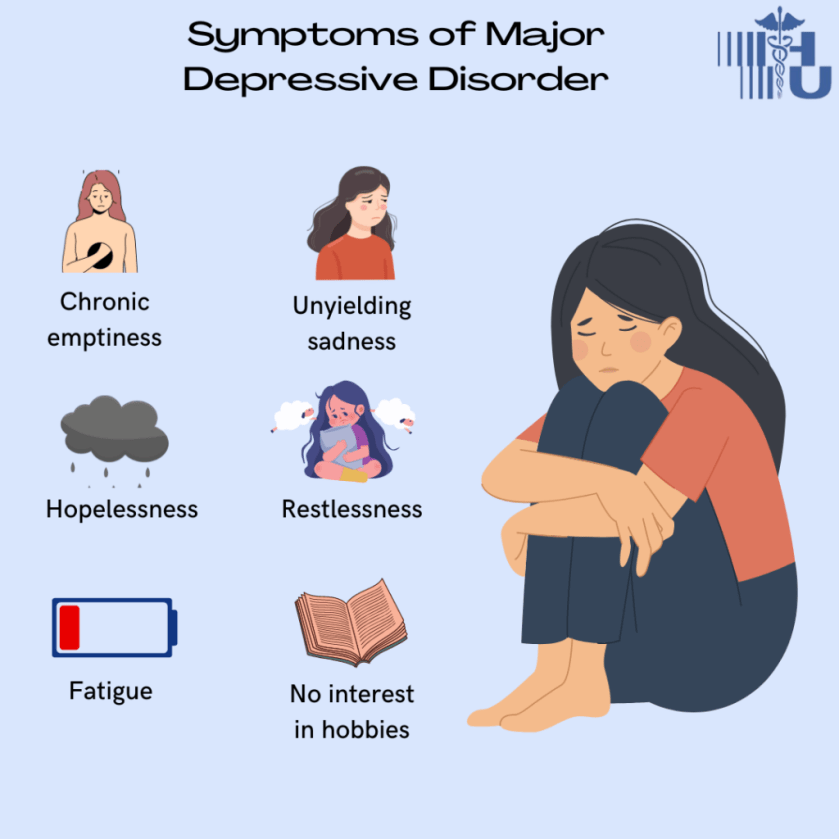
Symptoms may include:

  • Lasting sad, anxious, or “empty” mood
  • Less ability to concentrate, think, and/or make decisions
  • Less energy
  • Fatigue
  • Feeling hopeless
  • Weight and/or appetite changes due to over- or under-eating
  • Changes in sleep patterns, such as fitful sleep, inability to sleep, early morning awakening, or sleeping too much
  • Low self-esteem

To diagnose Dysthymia, a person must have a depressed mood for atleast 2 years (since it is persistent and long term). Or one year for children and adolescents, along with at least 2 of the above symptoms. The symptoms of this illness may look like other mental health conditions. Talk with a healthcare provider for a diagnosis.

*Disclaimer: This post does not intend to replace, dictate or fully define diagnosis and treatment by a qualified physician. It is intended only for informative purposes.

Posted in kdrama, life

Our Blues – personal take

Came across this new K-drama in Netflix and it’s not your usual romance, lovey-dovey, action or comedy. Main OST (With You) was sung by Jimin of BTS and Ha Sung Woon. Another beautiful OST – Once Again by Winter and Ningning of Aespa and Star by Stay-C.

Instantly, I was moved by its trailer. A series with 20 episodes, with 2 or 3 episodes focusing on each character. Setting is in a quaint place of Jeju island. The main characters grew up in Jeju and the storyline evolved in this group of people.

My bias is the story of Shin Min-a, a mom with depression. Fighting over the custody of her son and at the same time fighting her illness. I won’t talk about how the series ended, we’re still in episode 13 as of this writing. But I’d like to commend how they depict depression.

Shi Min-ah as Min Seon-A

On a personal note, I can relate in the overall feeling of gloom. Min Seon-A (Shin Min-ah) when her illness attacks, her surrounding becomes suddenly dark, completely black and rainy. The downpour adds to its dramatic effect. And yes, depression is not about endless crying. It’s a lot deeper… The gloom, for most depressive patients, is when you seem to have an eye covering. It’s like an extra shutter or curtain and it blocks your sight. The heaviness that you feel is loneliness in a whole different level. It just happens, and you just feel sad without knowing why…

Enough with depression, will have a separate post in next Psychology blog.

Different stories, one with anger management issues, poverty, raising children, teenage struggles, relevant issues of the present. “Our Blues” is an omnibus-style drama that tells the bitter-sweet and sour life stories of a diverse array of characters, that are somehow interconnected, in one way or another.

With its award winning writer – Noh Hee Kyung and Directors – Kim Kyu Tae & Lee Jung Mook, this indeed is a wonderful series. Heart-warming and realistic, this drama has an amazing ensemble of cast including Shin Min-ah, Lee Byung Hun, Han Ji Min, etc. And if you are tired of watching rom-com, give this one a try.