Posted in psychology

Anhedonia, Anxiety, Guilt & Cherophobia

The four major symptoms I noticed with my depression.

I knew from the first time I posted about depression that I was going to be vulnerable. Not everyone will be able to comprehend and sympathize. That’s what makes this disease even lonelier. You try to mimic being okay when you’re not cause you don’t want to bother the people around you.

Sharing my journey may be a way for some to feel less alone.

Anhedonia

  • is the inability to experience joy or pleasure. You feel numb and less interested in the things you used to enjoy, just like when I used to be obsessed with playing mobile games, and now I have lost interest.

Anxiety

In a previous post, I discussed anxiety with Pseudo-dementia. Celebrities like Emma Stone, Ryan Renolds, and Chris Evans have their share of anxiety issues.

  • Anxiety disorders are a group of mental illnesses that cause constant and overwhelming anxiety and fear. 

Guilt

  • According to PubMed Central, people with major depressive disorder (MDD) are more prone to experiencing moral emotions related to self-blame, such as guilt and shame.

It is a less talked about symptom of depression, but very evident in my case. I struggle with self-blame a lot! I cry and weep for the troubles I think I have caused and the people that I have hurt. Dealing with it almost every single day (see previous post).


Cherophobia

It seems that at this moment, I wouldn’t necessarily call it fear but rather a sense of concern. There is a worry that experiencing happiness may lead to negative consequences. You try to avoid the feelings of happiness and the consequences of being happy.

More about this in my previous post

Disclaimer: The information in this post does not intend to replace, dictate, or completely define the evaluation, diagnosis, and treatment of a medical professional. It is a form of sharing some personal experience and is intended solely for those seeking general information on certain conditions.
Posted in motivational, psychology

Self-blame and Depression

According to PubMed Central, people with major depressive disorder (MDD) are more prone to experiencing moral emotions related to self-blame, such as guilt and shame.

DSM-IV-TR recognizes excessive or inappropriate guilt as one of the core symptoms of MDD. 

  • Disclaimer: The information in this post does not intend to replace, dictate, or completely define the evaluation, diagnosis, and treatment of a medical professional. It is a form of sharing some personal experience and is intended solely for those seeking general information on certain conditions.

Guilt is a less talked about symptom of depression. It was depicted in a Korean drama I watched – Daily Dose of Sunshine. They showed guilt in a beautiful way stemming from the protagonist’s role as a psychiatric nurse. Highly relatable as I constantly deal with sadness and self-blame almost every day.

According to Psychiatrist Gregory Brown and author of The Self-healing Mind, “Guilt is a major barrier for treatment of depressive disorders. People think – my problems aren’t big enough or so serious to warrant feeling depressed or I have money, a great family and so many other resources, I shouldn’t be feeling this way – They end up suffering in silence.”

Before depression, I used to believe that people should be content with what they have, and I couldn’t comprehend why anyone would feel depressed despite having all their needs met.

what does she have to depressed about?

Self-blaming moral emotions as per PubMed Central pertains to emotions like guilt, shame and self-contempt which may be exaggerated in mood disorders. Feelings of worthlessness or excessive and inappropriate guilt nearly everyday (American Psychiatric Association 2000).

If you’re struggling with depression, being in that same condition I know I’m unable to give advice. Despite studying psychology in the hope of finding relief, I still find myself in this state. But depression is an illness that no one wants.

Here are some tips to help you deal with guilt when you have depression;

~ Practice self kindness like positive self-talk and gratitude

~ Move and keep your mind occupied. Physical activity as simple as walking can increase your endorphins (happy hormones).

~ Keep a journal. Writing or in my case drawing is diverting my mind and thoughts to express and transform negative emotions through art.

~ Talk to someone. Remember you are not alone. A family or friend can provide you with a different perspective and talking to them can help you release and process those unwanted emotions.

Small baby steps is okay, take it easy and be kind with yourself…

Posted in kdrama, life

New Favorite – Daily Dose of Sunshine (Kdrama)

This new series has become my instant favorite, depicting mental health with beautiful narration and emotions. Park Bo-young, as Jung Da-eun, is a passionate and emphatic nurse who just transferred to the psychiatric unit. An epic adaption of the webtoon “Jeongsinbyeongdongedo Achimi Wayo” (정신병동에도 아침이 와요) by Iraha (이라하).


This drama addresses the pressing issue of mental health, which not only is a great concern for South Korea but all over the world. In every episode, they feature a specific illness.

First episode (sorry, this may be a spoiler) talks about Bipolar Disorder. Patient Ri-Na is diagnosed with Bipolar Disorder manifesting symptoms including a sudden overflow of energy, a personality switch, unusual sexual behaviors, obsession, etc.

Coming from the perspective of the patient, we see mental illness in a new form. Opening doors for real-life struggles, problems, and challenges. Issues we try to avoid because of their heaviness and pain.

I look forward to the episode with depression, anticipating the portrayal of symptoms that may be relatable to what I have or may have experienced.

This series is really worth your precious time, we can all learn something from it, to help us understand the people affected with mental illness.

Posted in Family health

What is BPA? Why should we avoid using containers with BPA?

BPA stands for bisphenol-A, an industrial chemical that has been used to make plastics and resins (Mayo Clinic).

It’s back to school season and you’re likely to buy lunch boxes and tumblers. You’ve probably noticed plastics with label – BPA free and may be wondering what that means and why it’s important.

It has been used since the 1950s to make strong and resilient plastics, food container and even hygiene products.

How do we get exposed to BPA?

BPA can leach into food or drinks from containers, tableware, bottles and even baby bottles.

Many people are getting worried about BPA exposure. Researchers have found that BPA exposure is linked to a number of health issues, particularly hormonal imbalances. This is due to the ability of BPA to mimic the structure and function of hormone estrogen.

BPA has also been linked to endometriosis and polycystic ovarian syndrome (PCOS) in studies published in PubMed.

It can also cause stress to your body by damaging the mitochondria (the energy producing factories of cells). Stress can lead to chronuc inflammation and is linked to increased risk of obesity, heart disease, and type 2 diabetes.

What can I do to prevent exposure to BPA?

  • Don’t microwave plastic food containers. Since heating BPA-containing plastics may cause more BPA leaching into food or liquids.
  • Plastic containers have recycle codes on the bottom. Some, but not all, plastics that are marked with recycle codes 3 or 7 may be made with BPA.
  • If possible, choose glass, porcelain or stainless steel containers, particulary for hot food or liquids.
  • Use bottles that are BPA free.

With all these studies and evidence, it is best to take steps to limit your exposure. As for me who is chronically ill, I’ve already started avoiding usage of plastics as food containers. There are instances however, that take aways are stored in plastic but I immediately transfer the food to glass or porcelain foodwares upon arriving home.

Stay safe ❤

Posted in life, psychology

Gen Z is More Stressed

Generation Z or Gen Z refers to the generation that is born between the years 1997 and 2012. The first generation to be raised entirely with the internet and smartphones.

Growing up in tumultuous times that include multiple stressors such as climate change, conflicts, and political unrest. There’s a lot going on and all at once, TMI for sure! They are not just dealing with everyday stress, they are in constant bombardment of information and pressure.

In fact, many recent surveys and studies showed that these young adults are the most stressed, pressured and exhausted group.

They have a ton of reasons to feel more stressed than previous generations. Stress that can contribute to psychological concerns like anxiety and depression.

Here are the examples of stressors for Gen Z’s;

  • In one survey, it was reported that almost half of Gen Z are on their phones or online for 10 or more hours a day. That means more screen time and less time connecting with others in person, this could increase feelings of isolation and loneliness. There’s also less time going outdoors and being with nature.
  • In the American Psychological Association report, 91% of Gen Zs are experiencing physical or psychological symptoms due to stress. Causes of stress are money/work, debt, school and hunger.
  • Issues like climate change, political conflicts and fear of the future in general.
  • Exposure to harmful content through social media at a young age.
  • Research from University College London found that Gen Z was more likely to self-harm, have poorer body image, lack sleep, be overweight and have depression.
  • They also face pressure related to social media and the need to perform and conform for a picture-perfect image (and life).

Coming from a parent of a Gen Z, it’s not all negative for our children. Actually, because of social media, they’ve increased awareness of the importance of mental health. They are interconnected globally through the internet. They are more likely to seek psychological help and speak up about their concerns.

We should be the first advocates of their physical and mental health. Understanding, patience, and open communication among families – these are some of the keys in addressing and helping our Gen Z children.

Posted in motivational

Characteristics of a Good Work Environment

Work Environment; Someone’s environment is all the circumstances, people, things, and events around them that influence their life. 

– Collins dictionary

A good work environment is essential for employees’ productivity and well-being. Every employee needs a good working environment to motivate them and gives out the best in them.

A healthy work environment has many components, a primary factor is relationship with co-workers. A positive culture, non-toxic and amiable co-workers is the main ingredient in a healthy workplace.

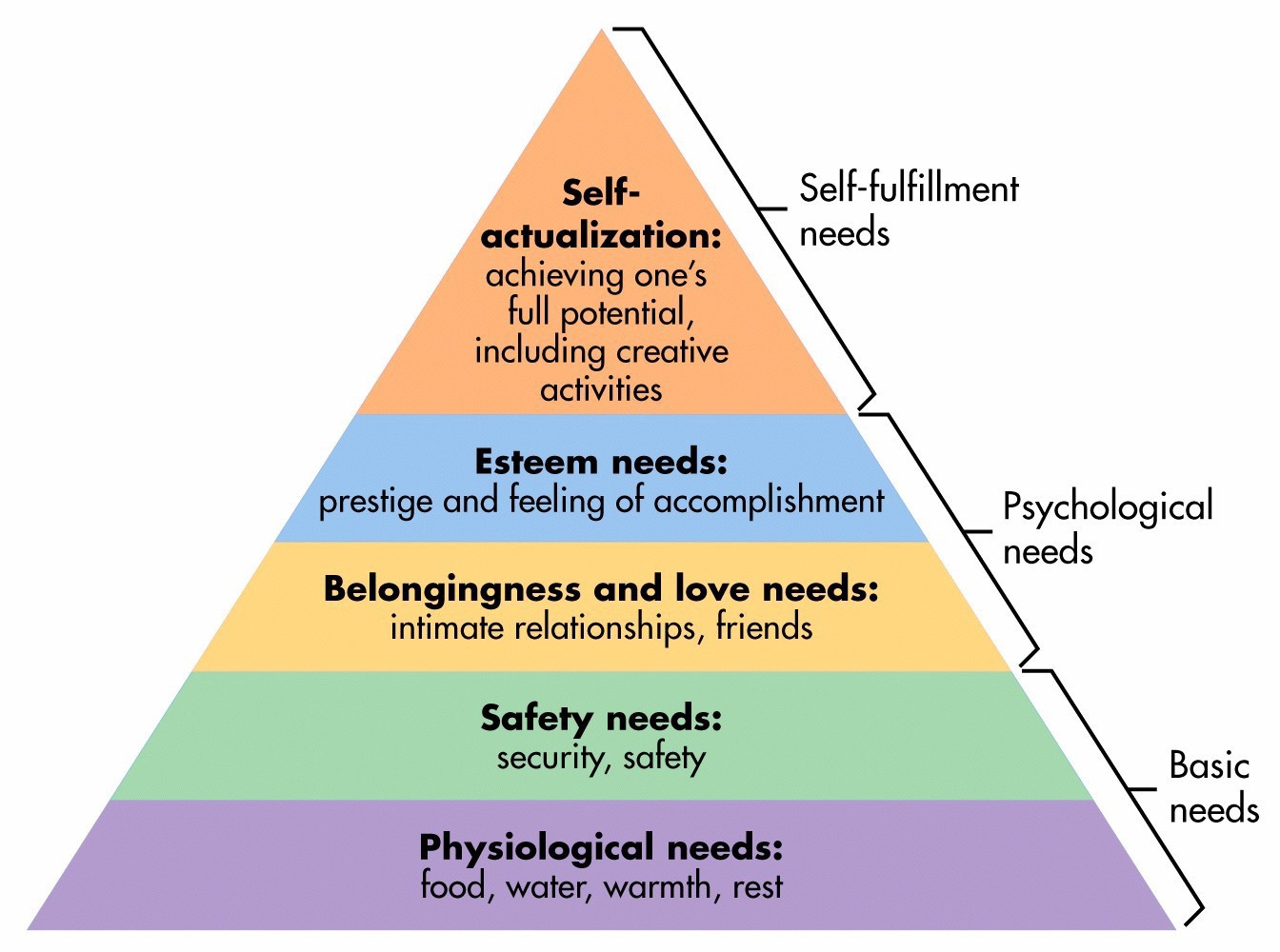
Another key characteristic of a healthy work environment is the way they appreciate their loyal employees. To be recognized and noticed is part of our Maslow’s Heirarchy of Needs.

Next feature is open and transparent communication between the employer and employees. A transparent and open form of communication addresses the employee’s need to feel that what they have to say has value and is being listened. It is what makes employees feel that they are part of the organization and they are being valued there. Wouldn’t you agree that this characteristic is highlighted in small businesses? Mainly because their size is synonymous to unity and closeness among the co-workers and with the employer. Employees could directly talk to their boss for urgent problems without the need for formalities or go through complex processes unlike in big corporations.

The environment that employees work in can impact their feelings of well-being, workplace relationships, collaboration, and productivity. It can greatly influence how you feel about your job so it is important to find an employer that fosters a positive environment.

Team spirit. We are social beings, we have the need to belong to a group and get support from them. Day to day struggles will become less daunting, because they work together and support each other, workload becomes lighter and thus more positive.

Trust. It is very important to build trust for a proper and smooth working of an organization. The employer should have trust on his employees and vice-versa. Trust is the basic foundation of all relationships.  Trust is all about doing what you say you are going to do and being who you say you are.

A healthy environment promotes communication, helping, healing and education between employees. They grow and improve together and value friendship and loyalty.

Photo by fauxels on Pexels.com
Posted in faith, prayer, prayers

Pride according to the Bible

God opposes the proud but gives grace to the humble.

1 Peter 5:5

The biblical definition of pride is “an inordinate love of one’s own excellence.” In fact, pride was Satan’s downfall. He chose his pride and placed himself of equal with God the Father. Satan was destroyed because of pride and so he wants us to suffer the same demise.

Pride goes down to the very core of worry and anxiety, revealing a lack of trust in God. It has been called the cancer of the soul, the “beginning of all sin.”

When does pride becomes a sin?

Pride becomes sinful when it’s excessively self-focused. Sin of pride refers to a high or exalted attitude – the opposite virtue of humility. In the bible, synonyms are insolence, presumptuousness, arrogance, conceit, high-mindedness, egotism.

It becomes a sin when we are too proud and self-elevating. When we are proud it’s like we are saying that we know better than God and that we don’t need Him anymore. It’s a form of rebellion, putting our own desires and plans ahead of what God designed for us.

More Bible Verses about Pride

  • Pride goes before destruction, a haughty spirit before a fall. Proverbs 16:18
  • To fear the LORD is to hate evil; I hate pride and arrogance, even behavior and perverse speech. Proverbs 8:13
  • Do not keep talking so proudly or let your mouth speak such arrogance, for the LORD is a God who knows, and by him deeds are weighed. 1 Samuel 2:3
  • Pride only breeds quarrels, but wisdom is found in those who take advice. Proverbs 13:10
  • Will punish the world for its evil, the wicked for their sins. I will put an end to the arrogance of the haughty and will humble the pride of the ruthless. Isaiah 13:11
  • You have been deceived by your own pride. Obadiah 3
  • Pride leads to disgarce but wuth humility comes wisdom. Proverbs 11:2

There are six things that the Lord hates, guess what Pride is included in the list…

Proverbs 6:16-19

16  There are six things the Lord hates,
     seven that are detestable to him:
17         haughty eyes,
        a lying tongue,
        hands that shed innocent blood,
18         a heart that devises wicked schemes,
        feet that are quick to rush into evil,
19         a false witness who pours out lies
        and a person who stirs up conflict in the community.

A simpler version from CEV (Contemporary English Version) –

There are 6 or 7 kinds of people that the Lord doesn’t like; those who are too proud or tell lies or murder, those who make evil plans or quick to do wrong, those who tell lies or stir up conflct in a family or community.

Posted in life, psychology

What it means to be considerate?

Coming across vlogs “showing off” their lifestyle rendered some deep thoughts and reflections. There’s a Filipino term called – “malasakit“. Uniquely Filipino because there’s no exact English translation. It is a Filipino value of caring and acting on the needs of others.

Be Considerate

Being considerate is synonymous to kindness. It can come in different forms and sizes. When you think of others before yourself, considering their feelings, concerns or priorities before your own. Begins with sympathy and thoughful rumination.

Being nice is a broader term – like civility. Being considerate entails a real and active interest on other people. There’s more effort than just being nice or civil.


There are 7 habits of Considerate People.

1. They practice empathy

Empathy is described as sensing what people are feeling

– Goldman Madel

It is different from sympathy, as empathy involves shared perspective or emotion. Considerate people not only feel for (with) others but actively see the world beyond themselves. Treating people with respect and compassion.


2. They smile often

Pexels.com

There’s a saying that kindness begins with a smile. Smiling evokes a positive emotion and reaction. In Positive Psychology, people are encouraged to smile more. You feel good and affect others, too.


3. They are intuitive of other people’s needs

From my Emotional Social Intelligence (ESI) class, there’s Cognitive Empathy. It is the ability to understand what another person might be thinking or feeling. When you walk in another person’s shoes and make them feel they are valued – that’s consideration.

Pexels.com

4. They mind their manners

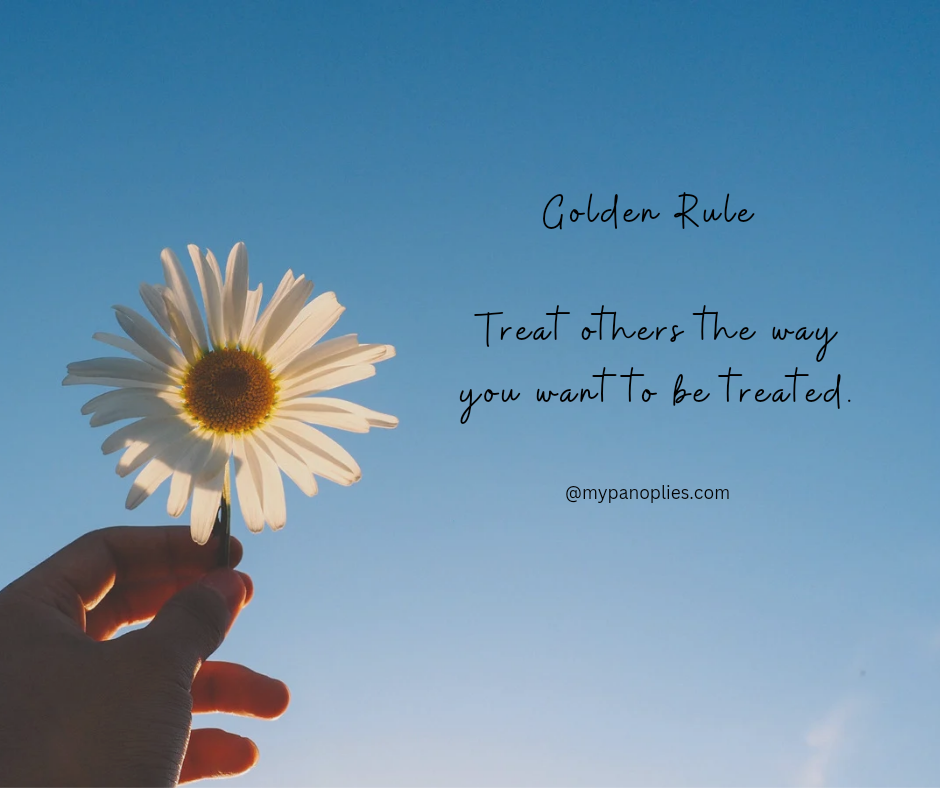
Being polite doesn’t begin and end with saying please and thank you. It is way more than that. The golden rule – treat others the way you want to be treated.


5. Be emotionally intelligent

Emotional and Social Intelligence – is the ability to be aware of your own emotions and those of others in the moment, and use that information to manage yourself and your relationships (ESI UC Davis).

ESI is not a soft skill and is now in the Top 10 most important workplace skill needed for success (World Eco Forum 2020). It is twice as important as technical and cognitive skills combined.


6. They are patient

Patience is difficult to have these days especially when attention span is shortened to a few seconds. Being patient comes with kindness, as you “consider” other person’s situation or reason.

Pexels.com

7. They apologize (when needed)

One of the traits of a toxic individual is – non admission to mistakes. Apologizing when you’ve made a mistake instead of passing the blame is crucial when being considerate.

Pexels.com

Posted in life, psychology

What are the benefits of having Good friends

Do you know that there are benefits of having good friends?

Having supportive people around you, includes family, partners, colleagues. These good friends can have a major impact in your life, health and overall well-being according to Mayo clinic.

Benefits of Friendship

  • Increase your sense of belonging and purpose
  • Boost your happiness and reduce your stress
  • Improve your self confidence and self worth
  • Help you cope traumas such as divorce, serious illness, job loss or death of a loved one
  • Encourage you to have healthy lifestyle or habit
  • Promote personal development

Good friends are good for your health. Friends can help you celebrate good times and provide support during bad times. Friends prevent isolation and loneliness and give you a chance to offer needed companionship, too.

Mayo clinic

People with strong social connections have reduced risk of many health problems. Studies found that older adults who have good friends and social support are likely to live longer.

Among all the benefits of having meaningful relationships, Emotional support is significant. They listen to your problems, can validate your feelings, and can help distract you when you’re sad or upset.

In one of the lessons I had, Professor Jonah Berger of Wharton University said, ” people are 36% more likely to quit smoking if a friend quits.”

Your friends can support your choices and even promote the right ones. They can cheer you on, motivate you like gym buddies or yoga partners.


Maslow’s Hierarchy of Needs

Sense of belongingness comes in third on Maslow’s Hierarchy of Needs. Caring about others makes life more meaningful. Your self worth increases, knowing you have a support system can help you feel more secure in your own life.

On the other hand, unhealthy or toxic friendships can cause stress and bring you down. Choose your companions and avoid toxic people; gossiper, unkind or rude, manipulative, selfish, etc.

Pexels.com

Bottom line, good friends are important in your life. Strong friendships will continue to strengthen you, make you healthier and help you have a brighter outlook.

Posted in psychology

The influence of people around you

Yes people come and go in our life and they also influence us in one way or another. My constant prayer as a parent is for my child to meet friends who will be of “good” influence to her. I grew up in a traditional manner, raised by strict grandmother and parents, choosing good friends is important.

A motto that marked indelibly in my heart is this saying;

Show me your friends and I will tell you who you are.


– anonymous

There are many versions of this quote but they all mean the same thing. In Social Psychology, this influence is being recognized and scientifically proven. Your closest associates (sometimes called – reference group) can determine much of your success in life. Our friends influence us subtly yet powerfully, and that can either be good or bad.


Research shows we do not have as much control over our thoughts and behavior as we think. We take cues from our environment, especially other people, on how to act.

– Psychology Today

Another powerful quote by Jim Rohn – “You are the average of the 5 people you hang around with.” The first quotation stayed with me since highschool. And recently, studying Psychology out of interest helps me gain more insight in relationships and human behavior.

You can’t choose your family, but you have the power to decide who to be close with. You also have the power to avoid certain people – toxic ones, for they will definitely shape who you are.

From my notes in Managing Emotions (Social Emotional Learning SEL) by Yale University – Humans are social creatures, we are influencing each other’s feelings whether we realize it or not.


Surrounding yourself with good people is not a strategy, it is a necessity. Having family and friends who motivate and help you become better (or best) version of yourself is a blessing.